






Michael Summers

Runway Design and Its Effect on Safety

Runway Design and Its Effect on Safety

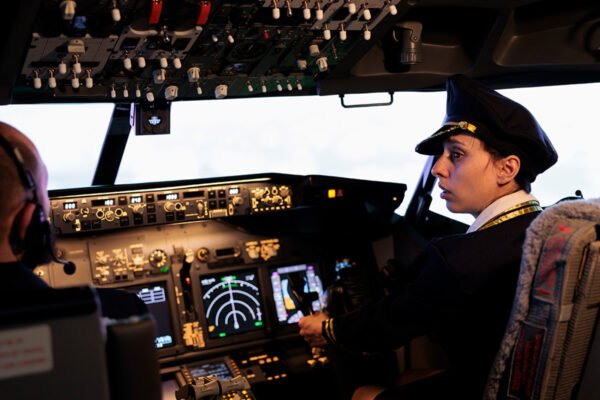
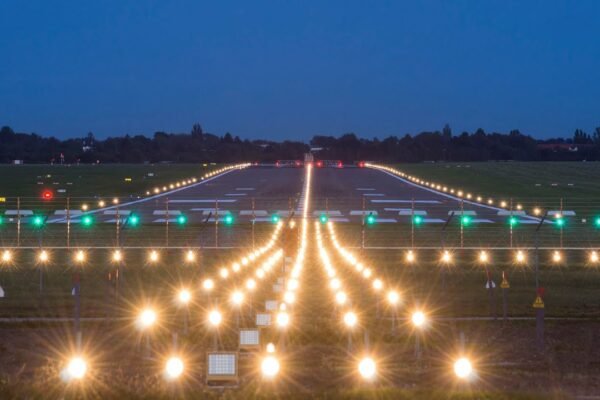
Runways are essential components of airports, serving as the primary infrastructure for aircraft takeoffs and landings. While often overlooked, the design and maintenance of a runway play a crucial role in ensuring the safety of flights. A well-designed runway minimizes the risk of accidents, enhances aircraft performance, and helps manage various environmental factors such as…

Read More
How Pilots Deal with Turbulence

How Pilots Deal with Turbulence

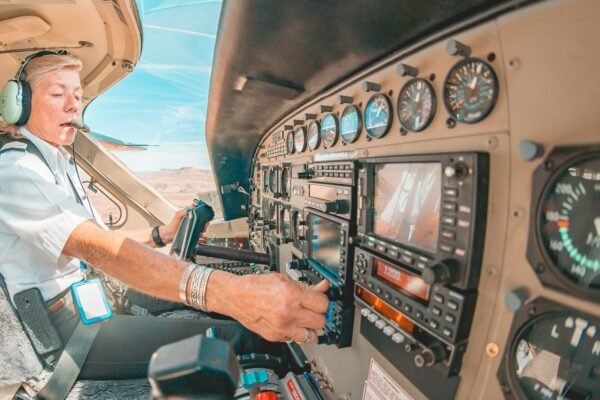
Turbulence is a common and often unsettling part of flying, but it’s a normal occurrence that pilots are trained to handle. Pilots are experts at managing turbulence, ensuring that the aircraft remains safe and passengers stay as comfortable as possible. While turbulence can feel uncomfortable, pilots are well-equipped with knowledge, tools, and procedures to navigate…

Read More
Tracking Flights in Remote Areas: Challenges

Tracking Flights in Remote Areas: Challenges

Tracking flights in remote areas is a significant challenge for the aviation industry. While advancements in flight tracking technology have dramatically improved the ability to monitor aircraft, areas such as oceans, deserts, and high-altitude regions continue to pose difficulties. In these regions, traditional radar systems are ineffective, and alternative methods are required to ensure flight…

Read More

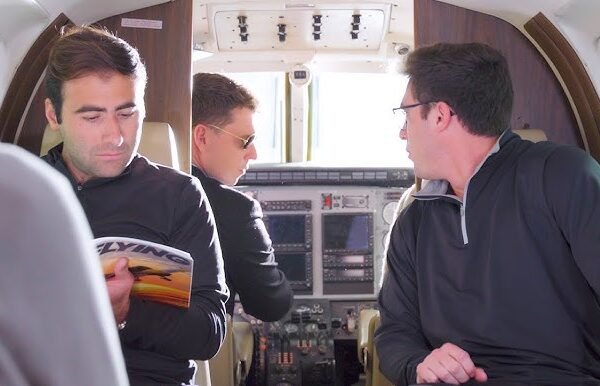
What to Expect at a Private Airport

Private airports offer a completely different experience compared to traditional commercial airports. These exclusive hubs cater to individuals flying private jets, offering a more personalized and luxurious environment. Whether you’re a first-time flyer or a regular private jet passenger, here’s what you can expect when visiting a private airport. Streamlined Check-In and Security One of…

Read More
The Integration of Satellite Technology in Flight Tracking

The Integration of Satellite Technology in Flight Tracking

Satellite technology has dramatically transformed the aviation industry, especially in the realm of flight tracking. Traditional radar-based systems, which were once the main method for tracking aircraft, are now complemented or replaced by satellite-based solutions. These advancements have led to more accurate, efficient, and reliable tracking, enhancing both flight safety and operational efficiency. In this…

Read More
GPS and Its Role in Flight Tracking

GPS and Its Role in Flight Tracking

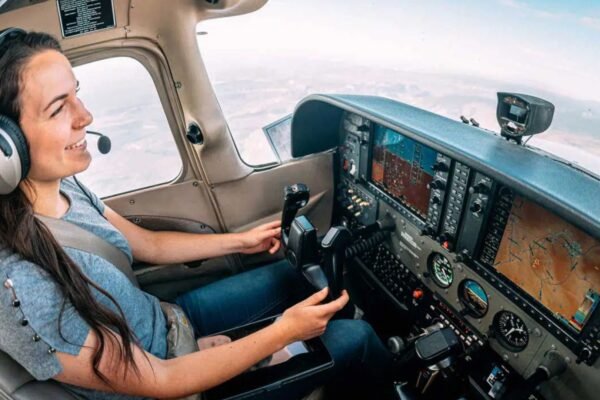
Global Positioning System (GPS) technology has revolutionized many industries, and aviation is no exception. GPS provides real-time tracking data that helps ensure the safety, efficiency, and precision of flight operations. In the context of flight tracking, GPS offers critical support in monitoring aircraft movements, optimizing flight routes, and improving air traffic management. In this article,…

Read More