





Michael Summers

How Runway Length Affects Aircraft Performance

How Runway Length Affects Aircraft Performance

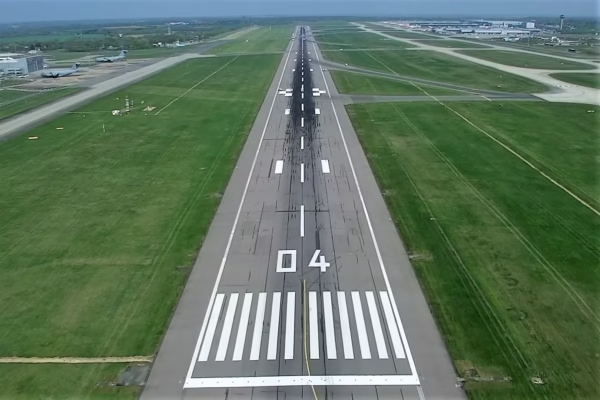
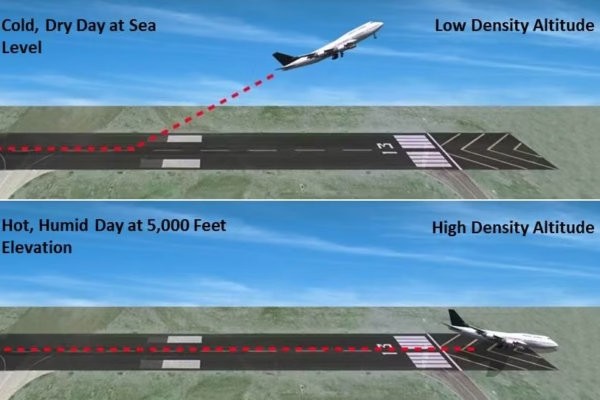
The length of an airport runway plays a crucial role in the performance and safety of aircraft during takeoff and landing. Both commercial and smaller aircraft rely on runways that provide enough space for acceleration and deceleration. Factors such as aircraft weight, weather conditions, and altitude all affect how much runway is needed for a…
Read More
The Importance of Runway Inspections

The Importance of Runway Inspections

Runways are critical infrastructure at airports, supporting the safe takeoff and landing of aircraft. Regular inspections are essential to ensure that these runways remain in optimal condition and free of hazards. A well-maintained runway reduces the risk of accidents, enhances aircraft performance, and contributes to the overall safety of air travel. In this article, we…

Read More

What Makes a Good Pilot?

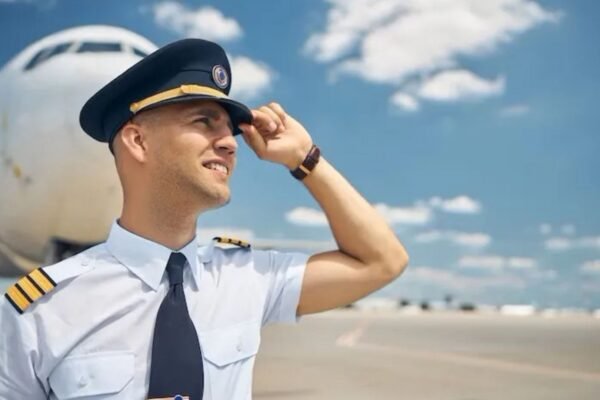
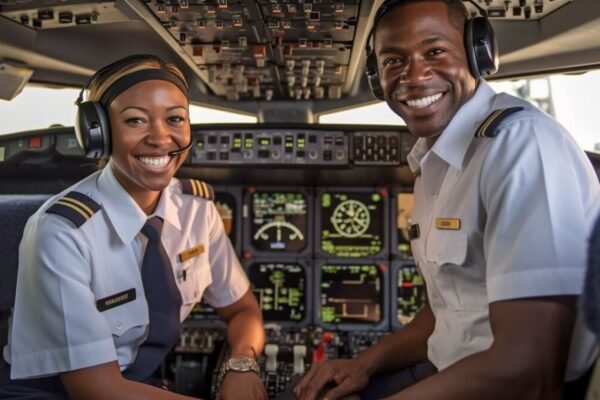
Becoming a good pilot requires more than just flying an aircraft. It takes a unique blend of technical knowledge, personal qualities, and practical skills that work together to ensure safe, efficient, and smooth flights. Whether flying for a commercial airline, in private aviation, or as a flight instructor, certain traits set great pilots apart from…

Read More
Runway Design and Its Effect on Safety

Runway Design and Its Effect on Safety

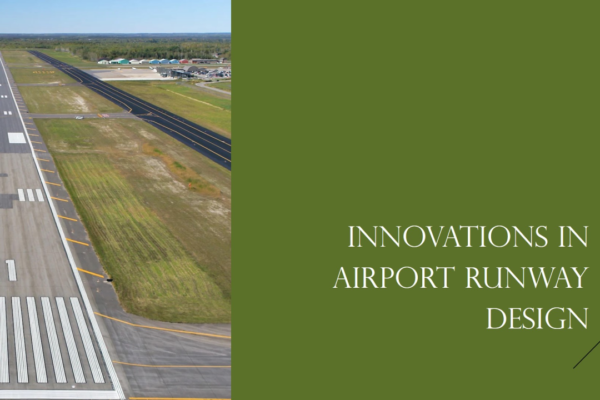
Runways are essential components of airports, serving as the primary infrastructure for aircraft takeoffs and landings. While often overlooked, the design and maintenance of a runway play a crucial role in ensuring the safety of flights. A well-designed runway minimizes the risk of accidents, enhances aircraft performance, and helps manage various environmental factors such as…

Read More
How Pilots Deal with Turbulence

How Pilots Deal with Turbulence

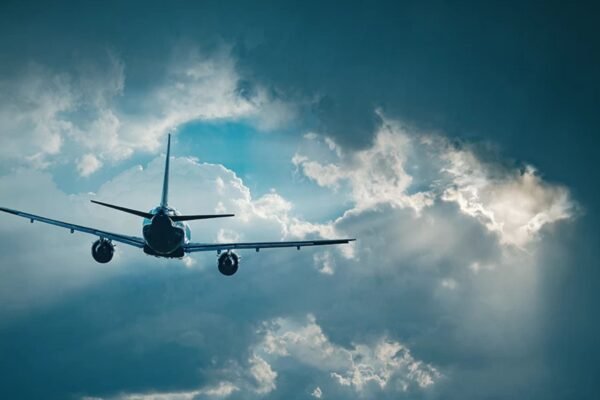
Turbulence is a common and often unsettling part of flying, but it’s a normal occurrence that pilots are trained to handle. Pilots are experts at managing turbulence, ensuring that the aircraft remains safe and passengers stay as comfortable as possible. While turbulence can feel uncomfortable, pilots are well-equipped with knowledge, tools, and procedures to navigate…

Read More
Tracking Flights in Remote Areas: Challenges

Tracking Flights in Remote Areas: Challenges

Tracking flights in remote areas is a significant challenge for the aviation industry. While advancements in flight tracking technology have dramatically improved the ability to monitor aircraft, areas such as oceans, deserts, and high-altitude regions continue to pose difficulties. In these regions, traditional radar systems are ineffective, and alternative methods are required to ensure flight…

Read More