





Michael Summers

Aviation Safety What You Need to Know

Aviation Safety: What You Need to Know

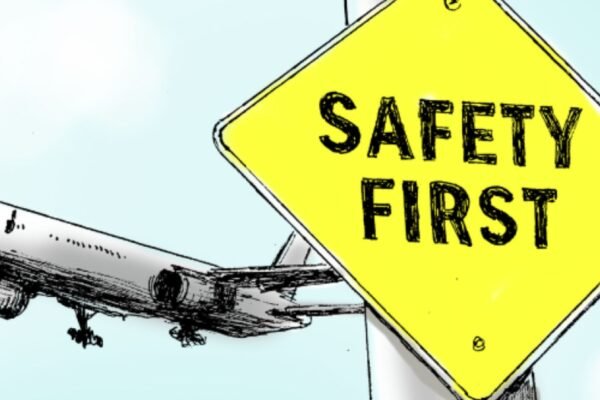
Aviation is one of the safest modes of transportation, with modern technologies, regulations, and practices making air travel remarkably secure. Behind every flight is a vast system of safety measures that protect passengers, crew, and aircraft from potential hazards. Whether it’s maintenance procedures, flight crew training, or air traffic control coordination, aviation safety is a…
Read More
How Pilots Navigate Severe Weather Conditions

How Pilots Navigate Severe Weather Conditions

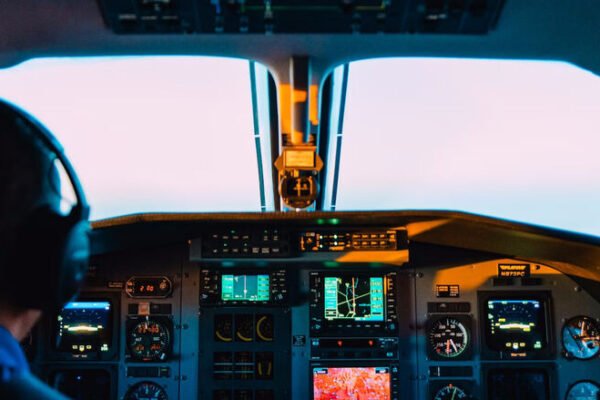
Flying through severe weather can be one of the most challenging aspects of aviation. However, pilots are trained extensively to manage such situations, relying on a combination of advanced technology, precise planning, and quick decision-making to ensure passenger safety. Here’s how pilots handle severe weather conditions in the air and on the ground. 1. Pre-Flight…

Read More
How Pilots Train for In-Flight Emergencies

How Pilots Train for In-Flight Emergencies

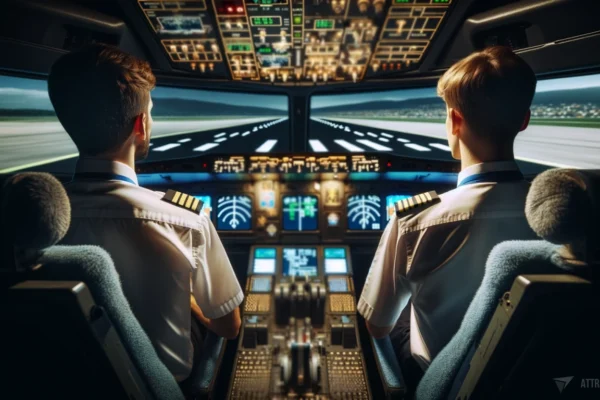
In-flight emergencies are among the most challenging situations a pilot can face. From sudden mechanical failures to medical emergencies or unexpected weather events, the ability to remain calm and respond quickly is crucial for ensuring the safety of passengers and crew. To prepare for such situations, pilots undergo extensive training that includes both theoretical education…

Read More
Why Aircraft Maintenance Is Critical for Safety

Why Aircraft Maintenance Is Critical for Safety

Aircraft maintenance is essential for ensuring the safety, reliability, and efficiency of air travel. Regular upkeep and inspections help identify and address potential issues before they lead to accidents. Modern aircraft are complex machines with thousands of components, and even the smallest malfunction can have serious consequences. In this article, we’ll explore why aircraft maintenance…

Read More
What Pilots Do During a Delayed or Canceled Flight

What Pilots Do During a Delayed or Canceled Flight

Flight delays and cancellations are an inevitable part of air travel. While passengers face frustration and uncertainty, pilots play a critical role behind the scenes to manage the situation. Their responsibilities go beyond flying the aircraft—they ensure safety, assist in planning, and communicate effectively with both the crew and passengers. Here’s an inside look at…

Read More
The Future of Piloting: Automation and AI in the Cockpit

The Future of Piloting: Automation and AI in the Cockpit

The aviation industry is on the brink of a technological revolution. Automation and artificial intelligence (AI) are reshaping the role of pilots, enhancing flight safety, and increasing operational efficiency. But what does this mean for the future of piloting? In this article, we’ll explore how advanced technologies are transforming cockpits and what these changes mean…

Read More
Understanding Pilot Communication with Air Traffic Control

Understanding Pilot Communication with Air Traffic Control

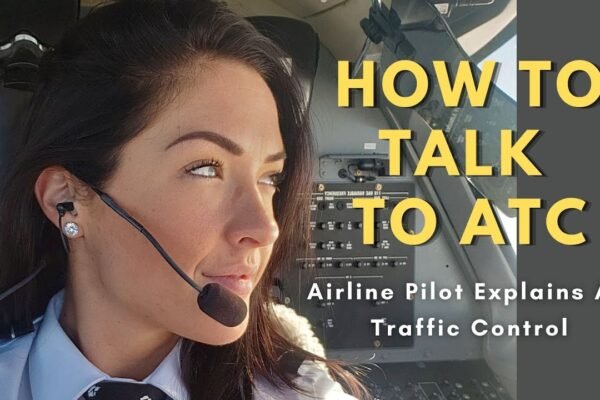
Effective communication between pilots and Air Traffic Control (ATC) is one of the cornerstones of flight safety. This communication ensures that flights are safely navigated, traffic is coordinated, and potential hazards are avoided. ATC provides pilots with essential information such as weather conditions, altitude adjustments, route changes, and instructions during emergencies. In this article, we’ll…

Read More